
Full Basement Development Process in Edmonton: A 2026 Project Walkthrough
When you start planning a basement development, you are usually looking for a few key things: clear pricing, fewer surprises, good communication, and a finished space you can feel confident in.
This blog walks through a real basement development project in Edmonton to show you how the process works from the early planning stages through to the final walkthrough. Along the way, it breaks down how decisions are made, how challenges are handled, and how each stage fits into the bigger picture.
The goal is simple: to give you a clear, practical understanding of what it is like to move through a full basement development from start to finish.
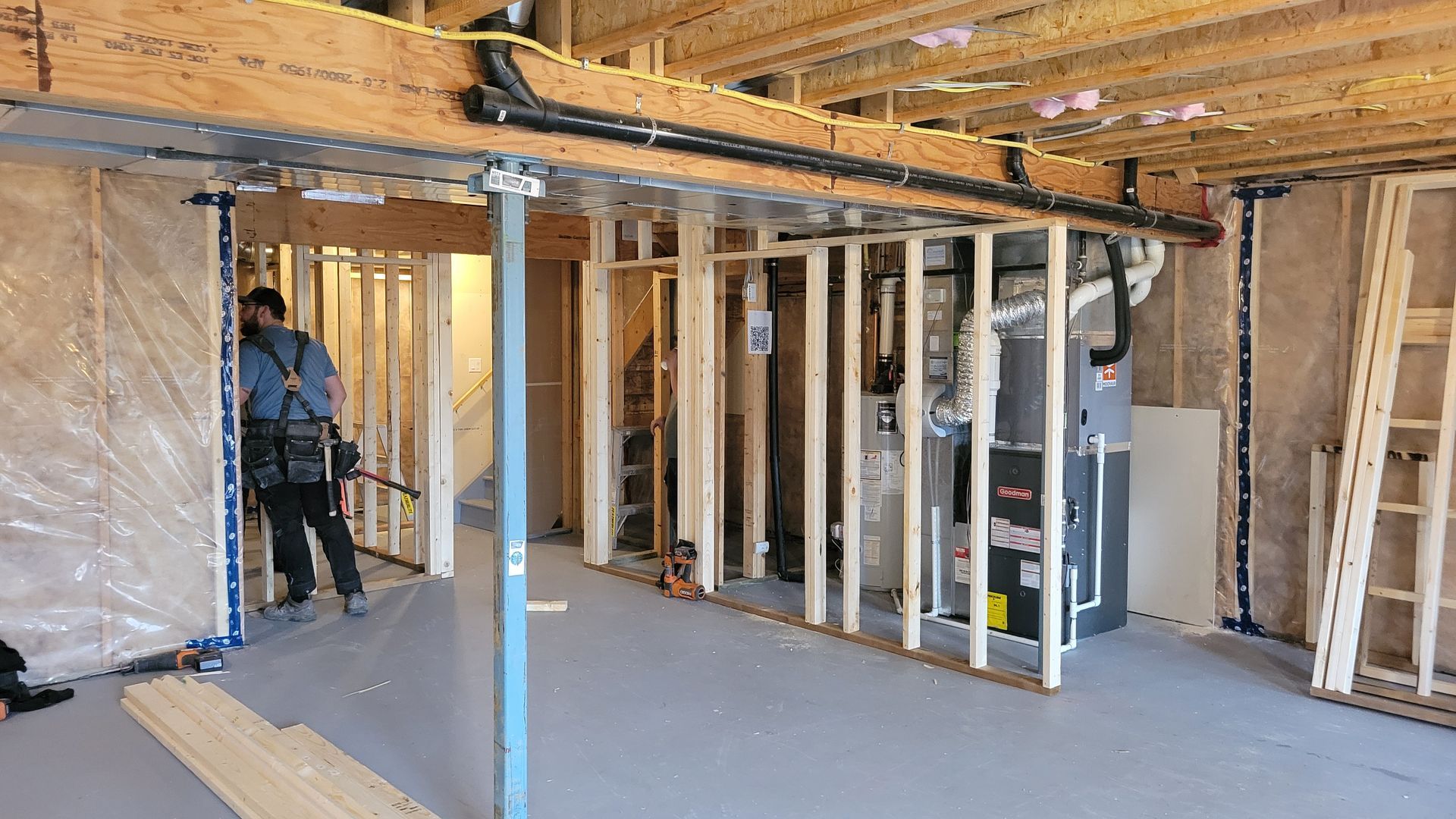
Here are photos from before the work started:
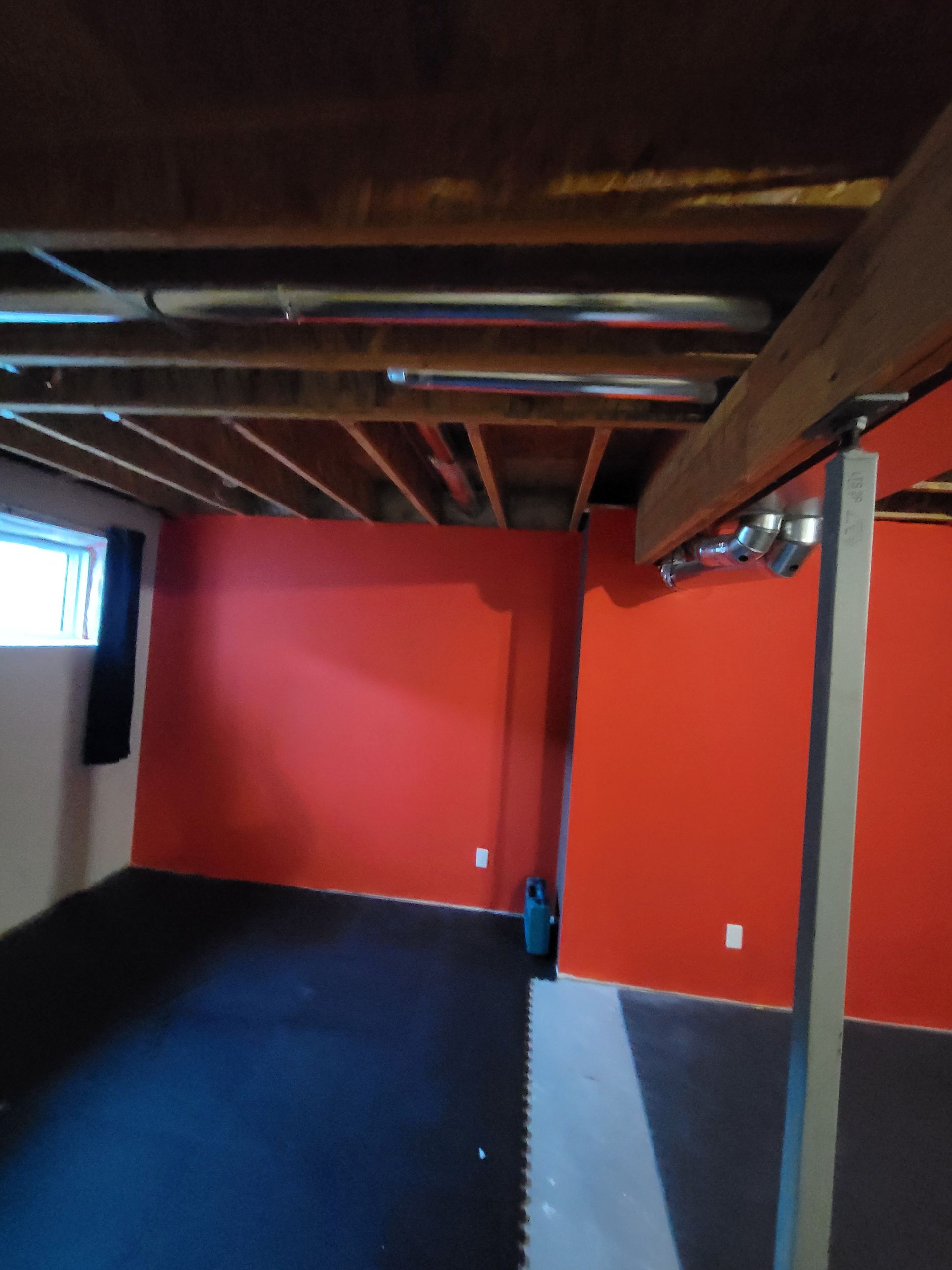

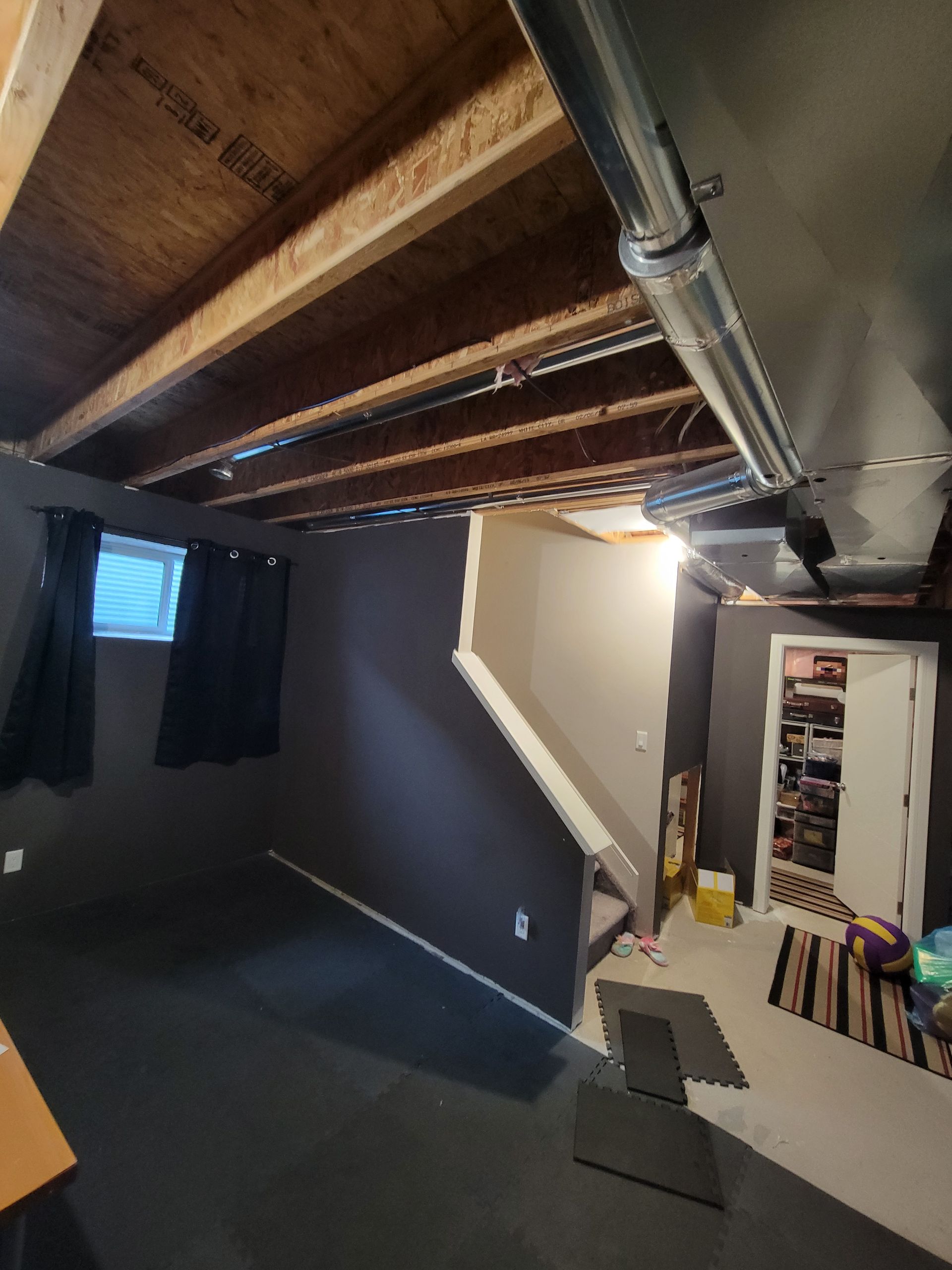
Stage 1: Planning, Quoting, and Permits
The First Conversation and Walkthrough
This project started when the homeowners reached out after seeing Alpha-Omega Developments recommended in local Facebook groups. They were planning a full basement development and wanted a clear understanding of what the project would involve and what it would cost before moving forward.
We scheduled an on-site walkthrough to review the basement, talk through layout ideas, and understand how they planned to use the space. They already had some drawings prepared and had begun conversations around permits, which helped move things along early.
Spending time together at this stage helped make sure everyone was aligned before pricing was discussed.
If you are still working through what to consider before a project starts, we cover that in detail in Edmonton Basement Planning: What to Think About Before You Start.
Defining the Scope Before the Quote
Before putting a number on the project, we worked through a detailed list of inclusions and exclusions. This outlined exactly what was part of the basement development and what was not, so expectations were clear from the start.
That list was reviewed together and adjusted based on the conversation. One revision was made to help reduce costs without cutting corners on the quality of the build.
Only once the scope was clearly defined did we prepare and send the final quote.
Permits and Early Guidance
Based on the existing conditions of the home, homeowner permits were recommended. We helped guide the homeowners through that process so they knew what was required and how to move it forward without unnecessary delays.
Why This Stage Matters to You
Taking the time to plan and define the scope before pricing helps prevent surprises later. When inclusions and exclusions are handled upfront, basement projects tend to run smoother, budgets stay more predictable, and there is less back and forth once construction begins.
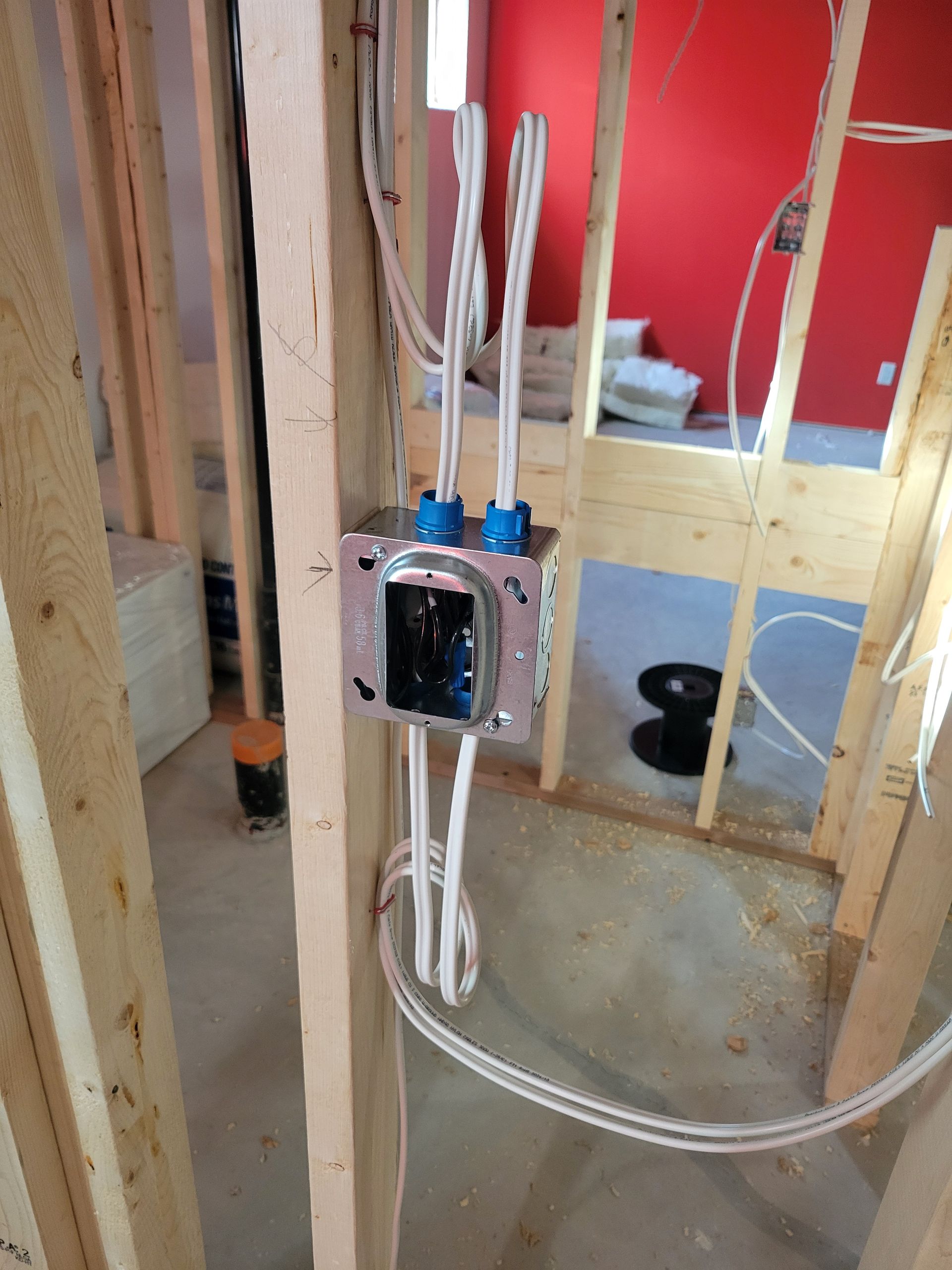
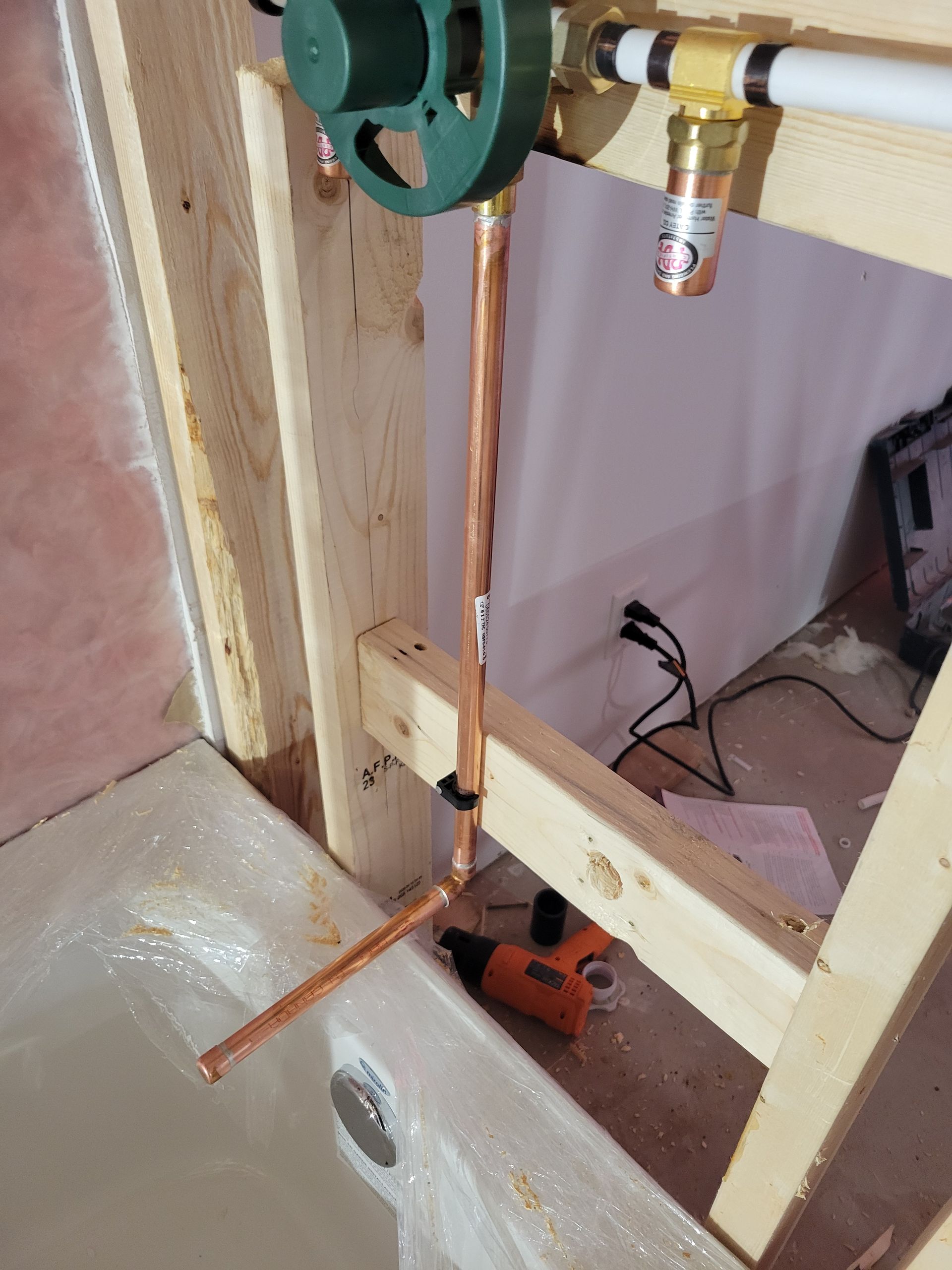
Stage 2: Rough Construction and Structural Work
Demo, Framing, and Rough Ins
Once planning was complete, work moved into the rough construction phase. This is where the basement starts to take shape.
Demolition and framing were completed first, followed by
electrical, plumbing, and HVAC rough ins. During this stage, layouts for the bathroom, vanity, and mechanical systems were set so everything would line up properly later in the build.
Getting these pieces in place early helps avoid issues once walls are closed up.
Layout decisions that were worked through during planning get built into the structure here. We go deeper on how those decisions come together in how to plan a basement layout that works in real life, not just on paper.
Adjustments as the Space Opened Up
As with most basement developments, some details became clearer once work was underway. HVAC planning required a few adjustments once the space was opened up and systems were visible.
These changes were handled during the rough in stage rather than being pushed to the end of the project, which helped keep the finishing stages cleaner and more predictable.
Inspections Along the Way
Inspections were scheduled as each phase was completed. One electrical inspection initially failed due to an interpretation issue related to exterior walls that had already been inspected previously.
The required changes were made, a re inspection was completed, and the project moved forward without delays or added stress for the homeowners.
A Consistent Team on Site
Instead of having multiple subcontractors cycling through the basement, the same team handled most of the work from start to finish. That meant fewer handoffs and fewer gaps in communication.
If questions came up, the homeowners knew exactly who to talk to and did not have to track down different trades.
Why This Stage Sets the Tone for the Rest of the Build
How the rough construction phase is handled affects everything that comes after it. When layouts are planned carefully, adjustments are made early, and communication stays clear, the rest of the project tends to move more smoothly and with fewer surprises.
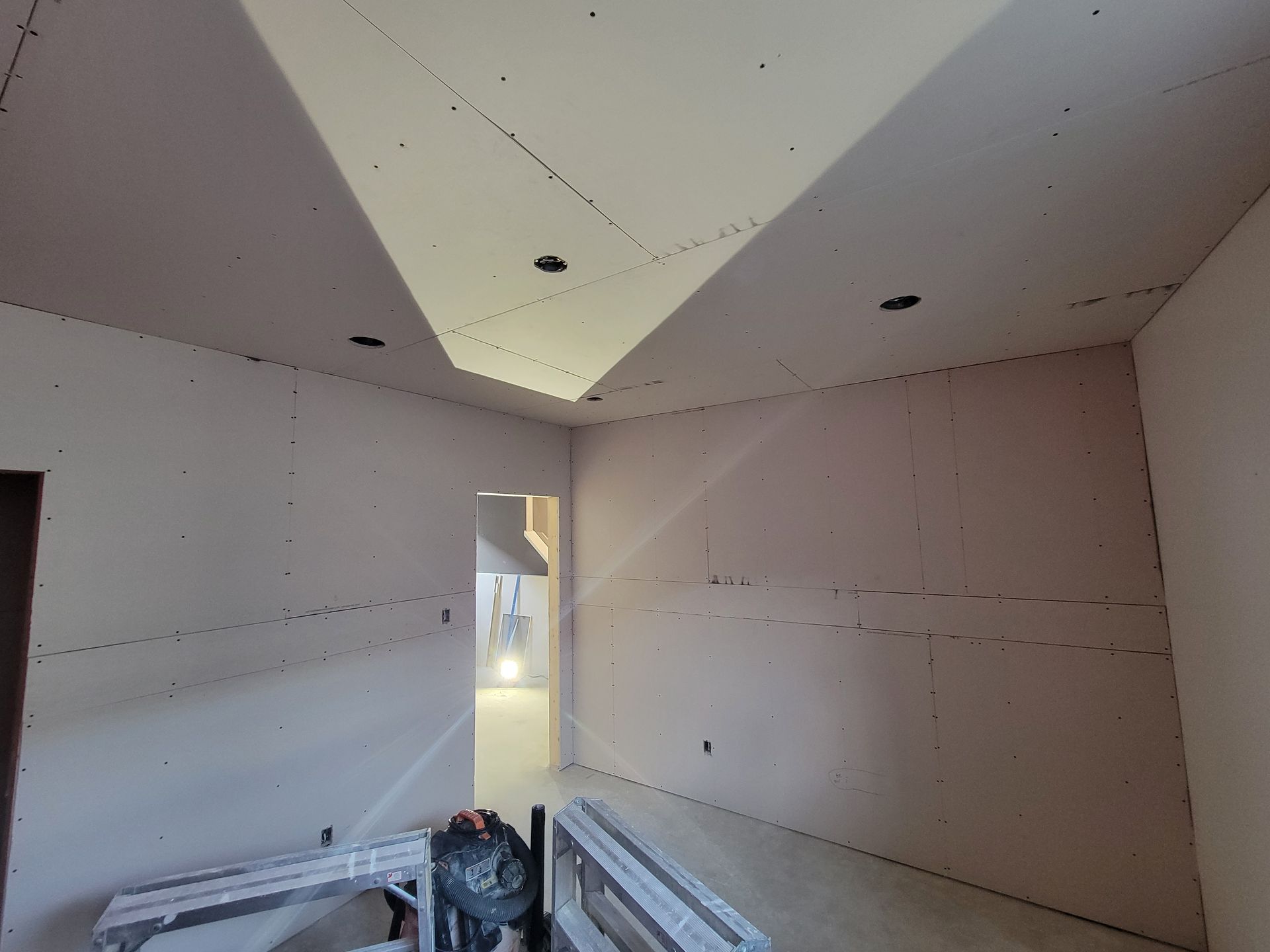

Stage 3: Drywall, Taping, and Painting
Drywall and Scheduling Adjustments
Once the rough work was complete, the project moved into drywall. Interior walls were boarded as planned, but a supplier delivery issue meant the schedule had to shift slightly.
Rather than rushing or trying to work around the wrong materials, the decision was made to wait until the correct drywall arrived. Once it did, boarding was completed efficiently and the project moved forward without cutting corners.
Bringing in the Right Help for Taping
Drywall taping was handled by a trusted specialist. Before that work began, an in person introduction was set up so you knew exactly who would be coming into the space and what they would be working on.
Setting that expectation early helped everything run smoothly, even on days when we were not on site at the same time.
Painting as a Cost Saving Option
To help keep the project on budget, the homeowners chose to take care of the painting themselves. This was discussed and agreed on early so it could be planned properly and fit into the overall schedule without causing delays.
Why This Part of the Process Works
This stage is a good example of how flexibility and communication can make a real difference. When small issues are handled calmly and everyone is on the same page, the project keeps moving and quality stays where it should be.
Stage 4: Finishing Work and Final Details
Flooring, Doors, and Trim
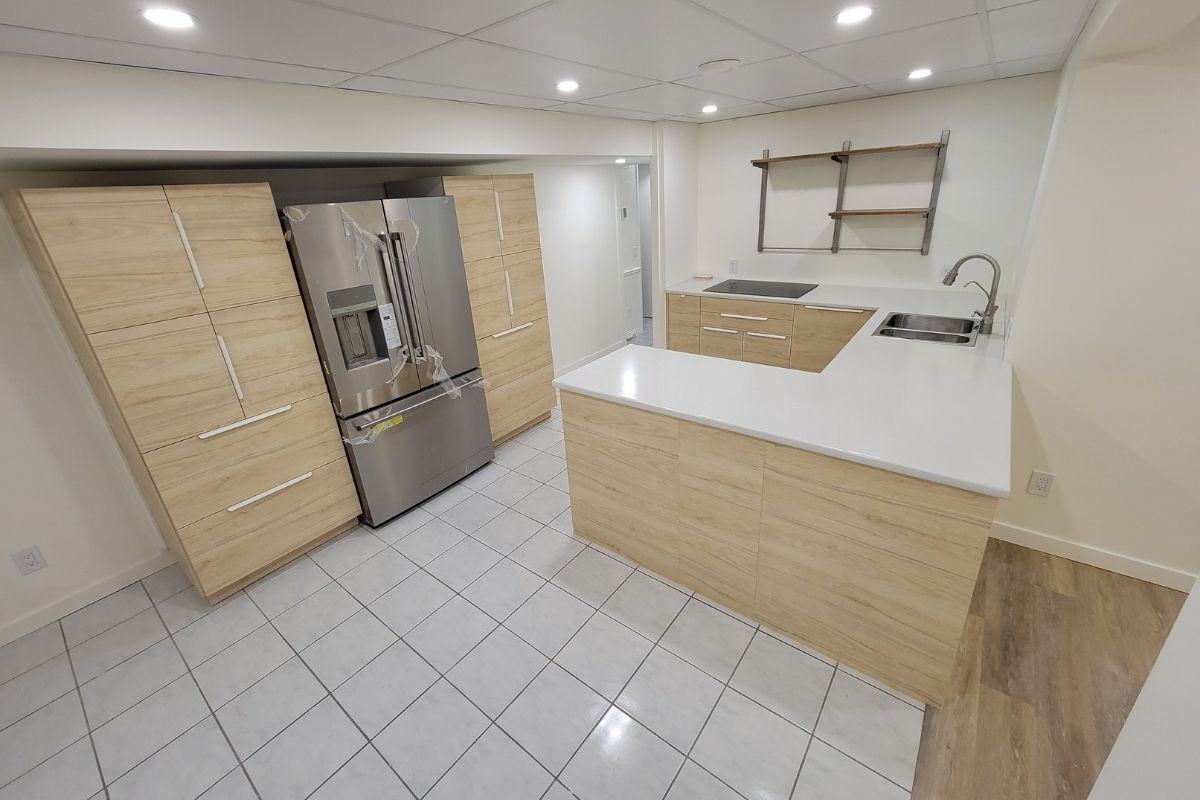
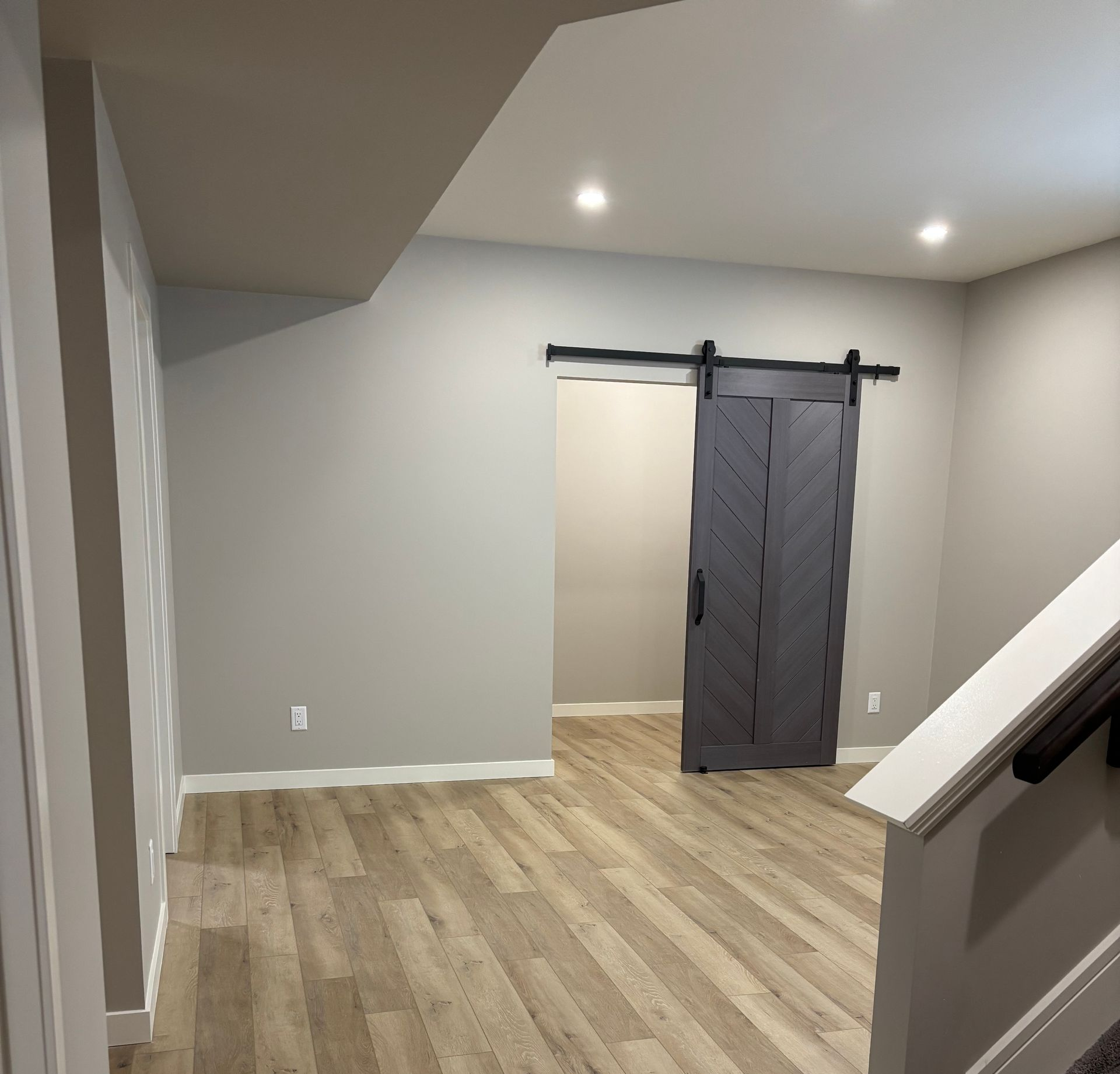
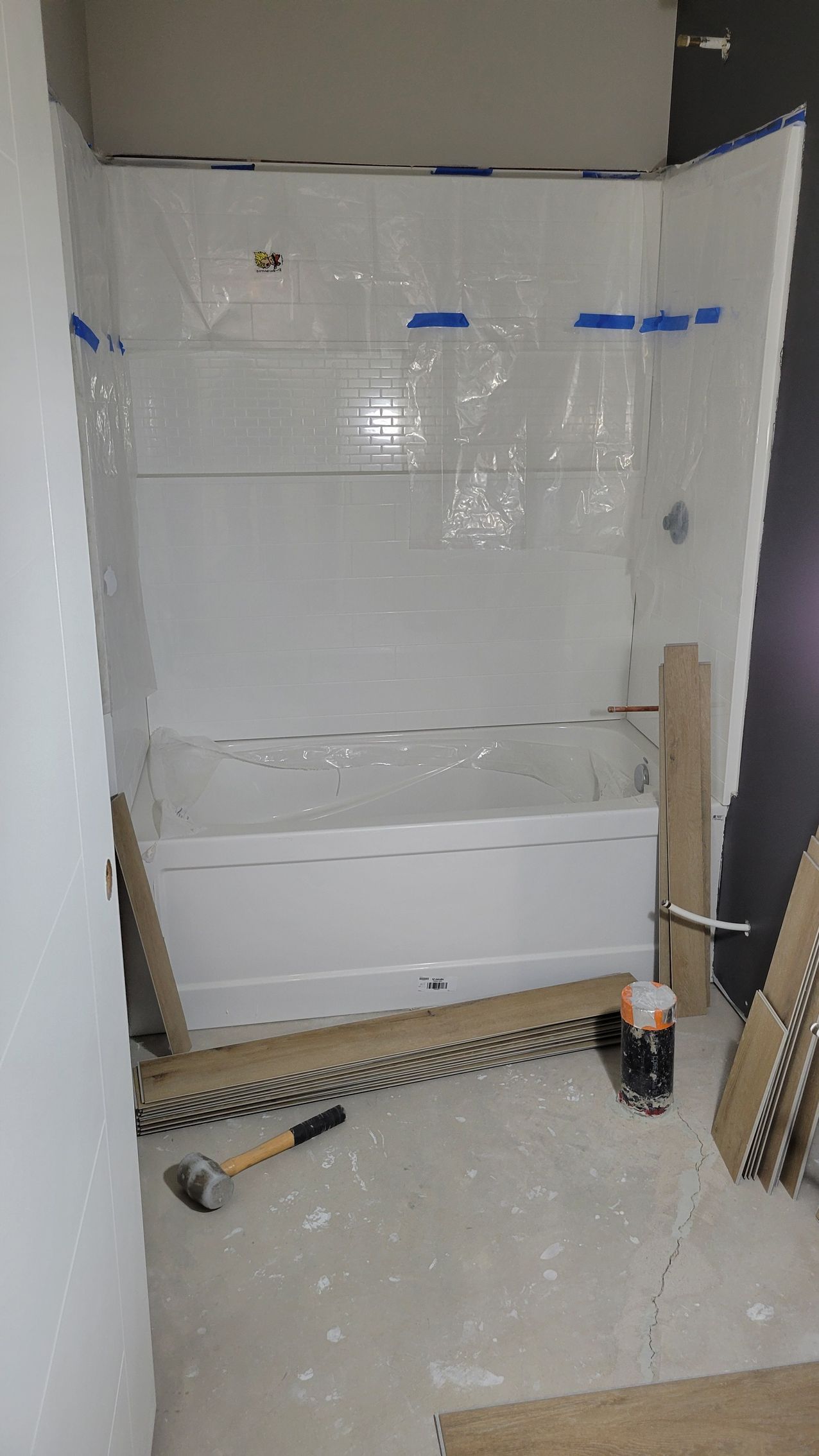
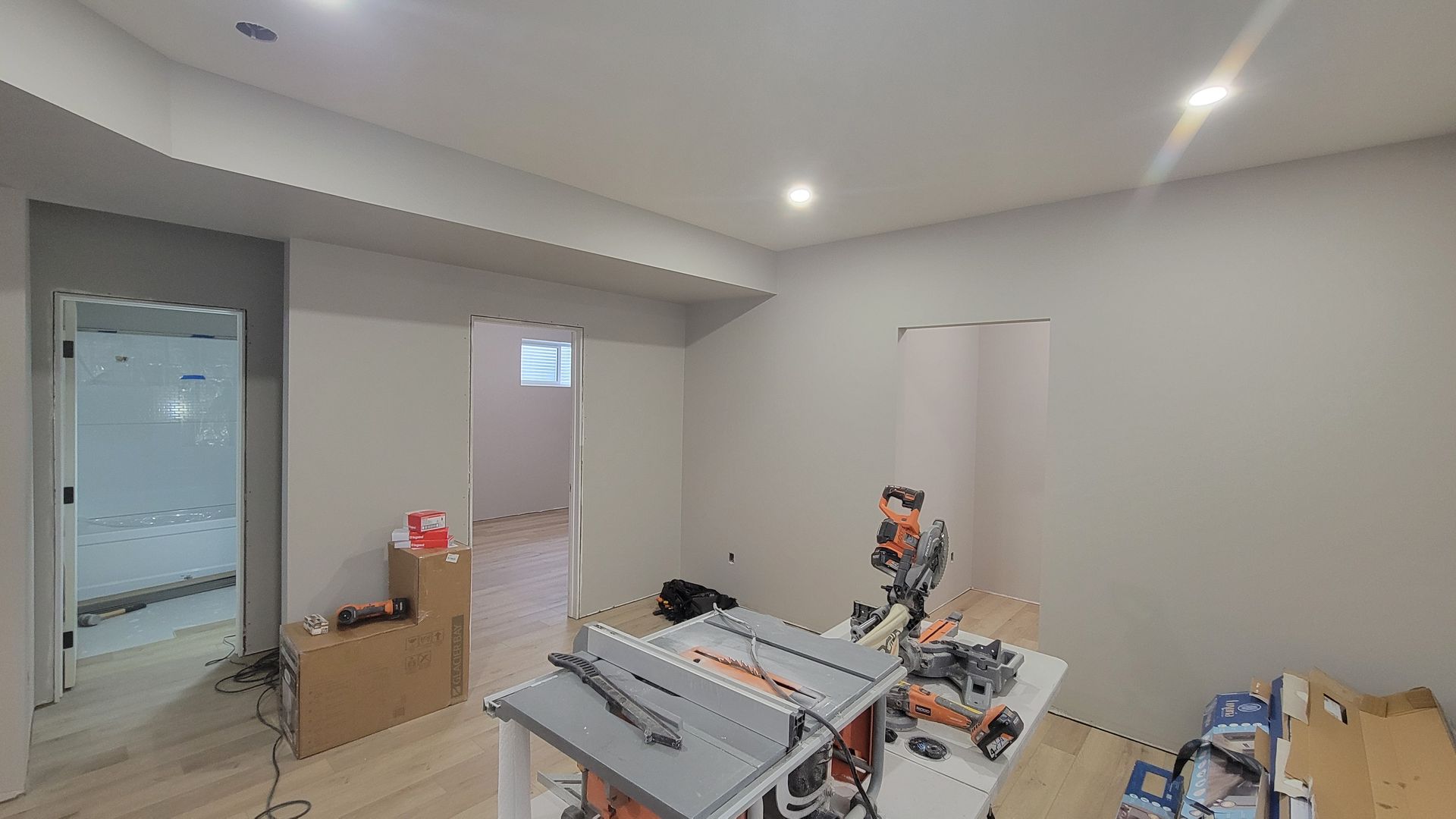
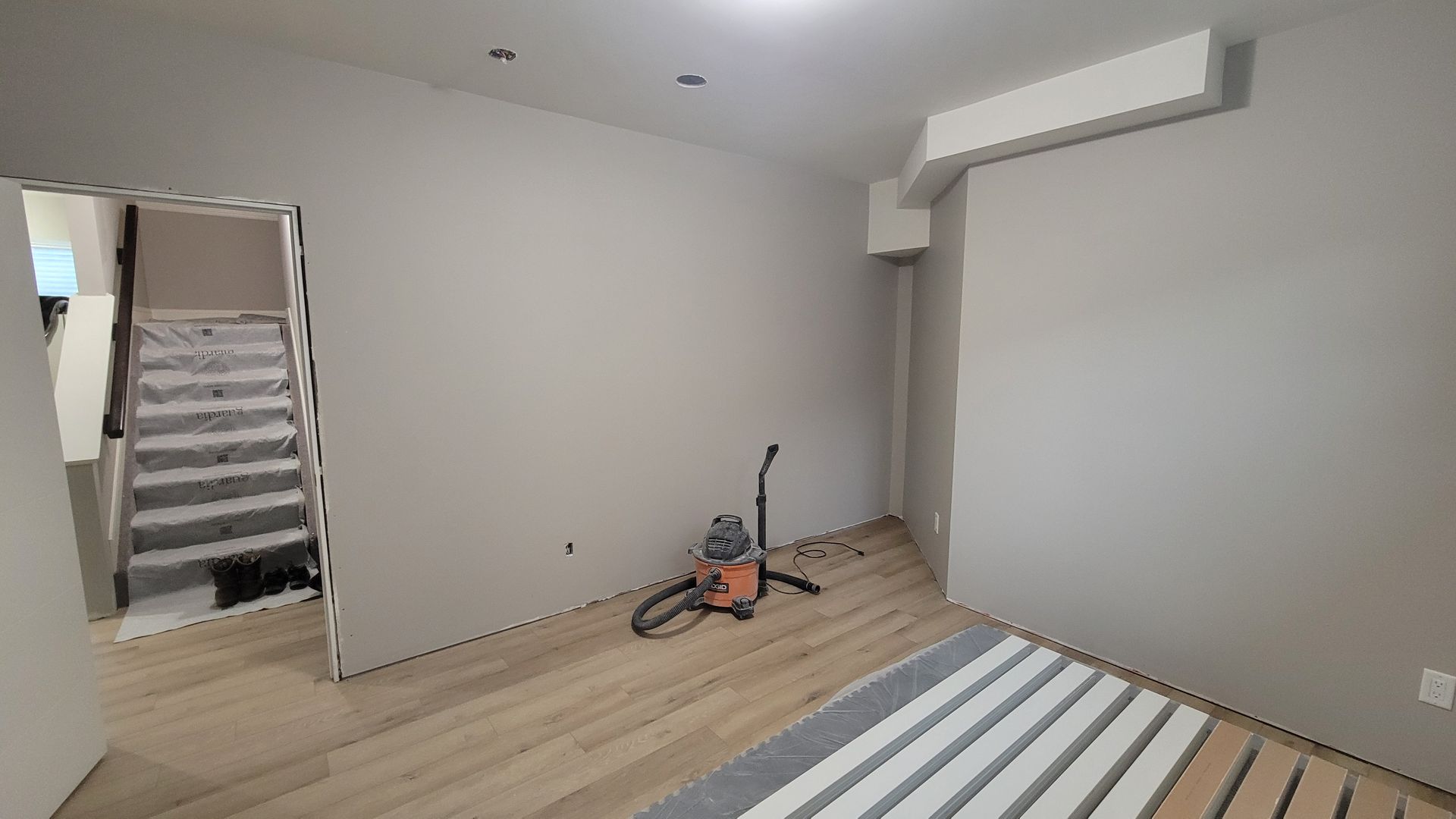
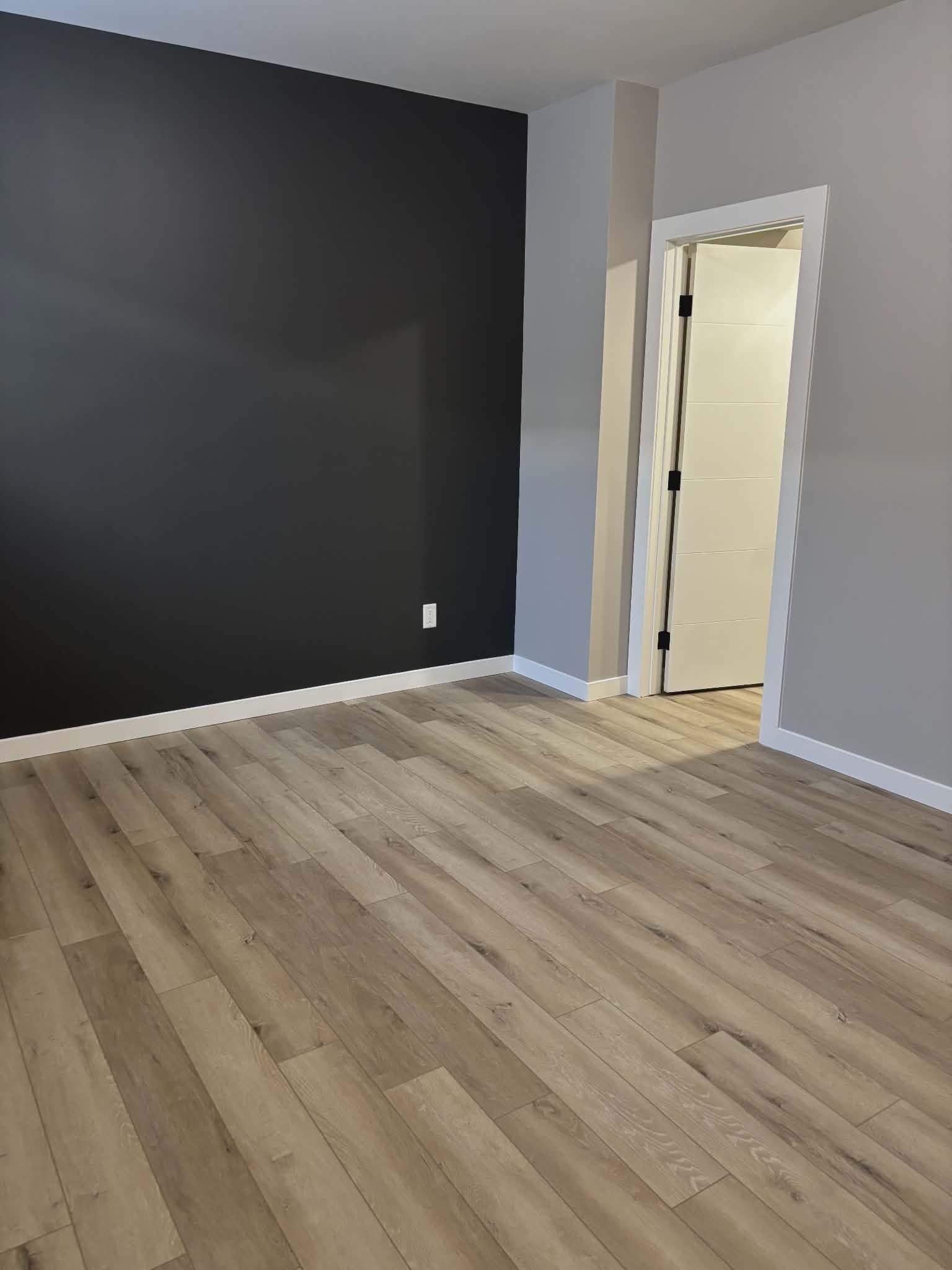
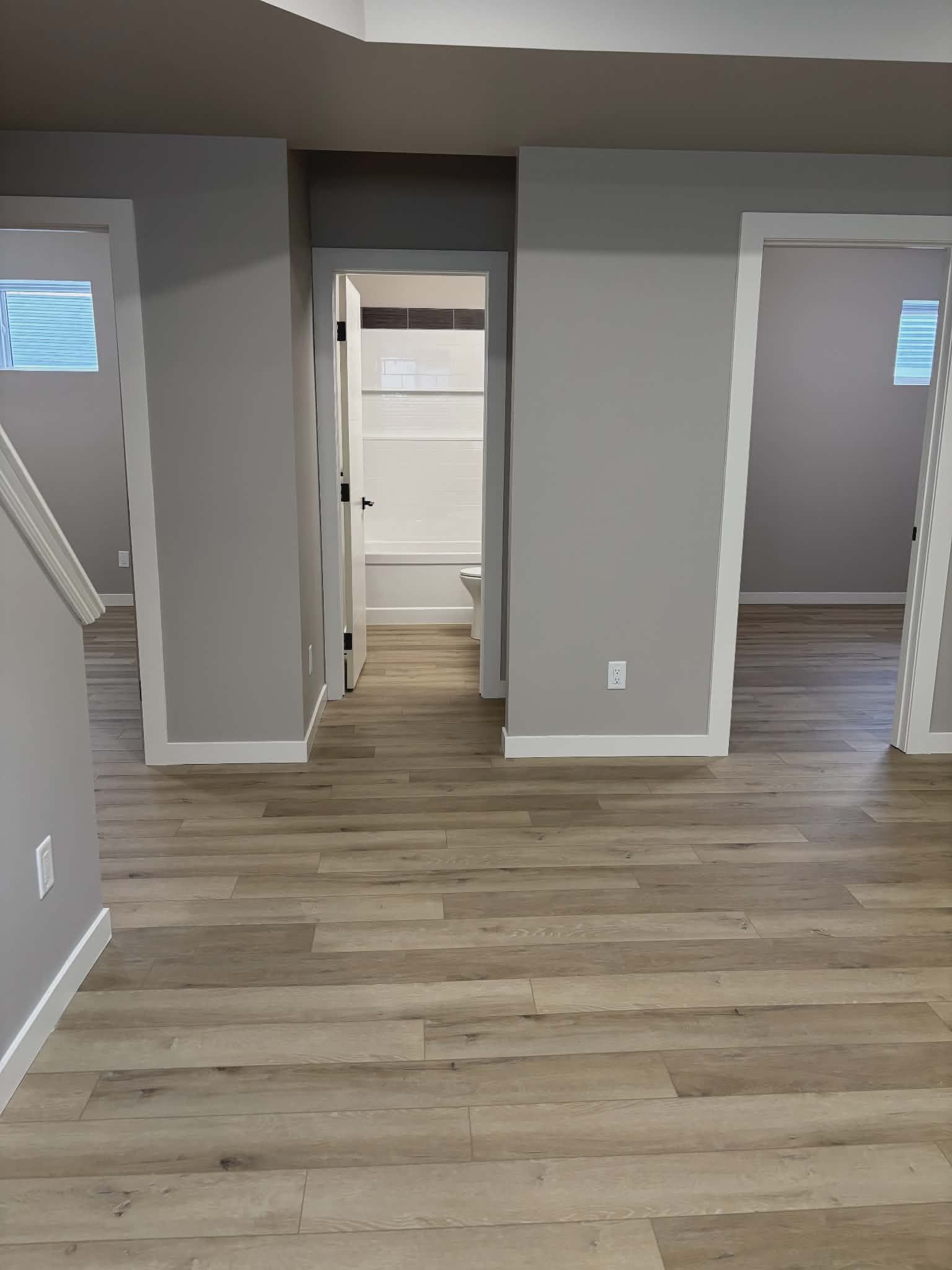
With the mid stages complete, finishing work began. Flooring was installed first, followed by doors, baseboards, trim, and hardware throughout the basement.
Some areas, such as closet layouts, required extra attention to get everything fitting and functioning properly. Those details were worked through on site and addressed within the original scope of the project.
Bathroom and Electrical Finishing
Once the main finishes were in place, bathroom fixtures were installed, including the shower, vanity, and toilet. Electrical finishing was completed throughout the basement so the space was fully functional and ready to use.
HVAC Adjustments During Finishing
During this stage, it became clear that the HRV system required a specific control switch to operate correctly. The correct switch was sourced and installed so the system functioned as intended.
This adjustment was handled as part of finishing and did not result in additional charges to the homeowner.
Handling Small Requests Before Final Install
Just before flooring was installed, a few small requests came up, including addressing minor concrete imperfections. These were handled at the time rather than pushed to the end of the project.
Taking care of these items early helped keep the finishing stage moving forward without unnecessary back and forth.
Why Finishing Is About More Than Appearances
The finishing stage is where sequencing and attention to detail matter most. When adjustments are handled at the right time and details are not rushed, the final space feels complete and well thought out, not pieced together at the last minute.
Stage 5: Final Walkthrough, Cleanup, and Project Close Out
Final Inspection and Cleanup
As the project wrapped up, final inspection items were addressed, including the installation of a cold air return noted during inspection. Once those items were complete, cleanup and dump runs were handled so the basement was left clean and ready to use.
Budget and Final Costs
The project stayed on budget from start to finish. The only additional cost was a small request that was added outside of the original scope and approved ahead of time.
There were no surprise charges or last minute additions at the end of the project.
Aftercare and Follow Up
Once the basement was complete, final communication wrapped up the project, with plans for a follow up visit and continued contact. For us, finishing the job is not just about the last piece of work, but making sure everything is tied up properly.
Closing Out the Right Way
A well handled close out gives you confidence that nothing was missed. When the final walkthrough, cleanup, and follow up are done properly, the project ends clearly and comfortably, without loose ends or unanswered questions.
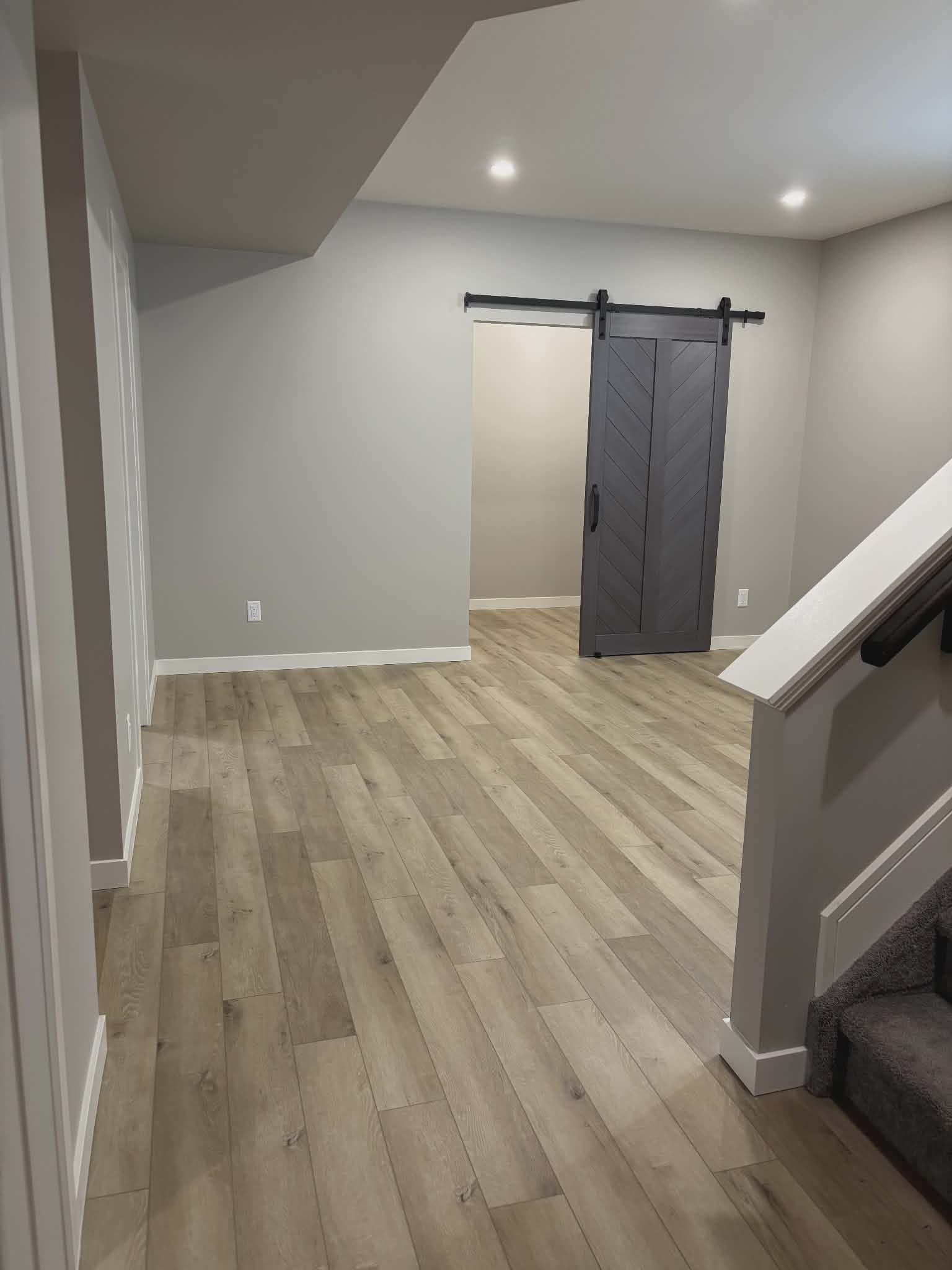
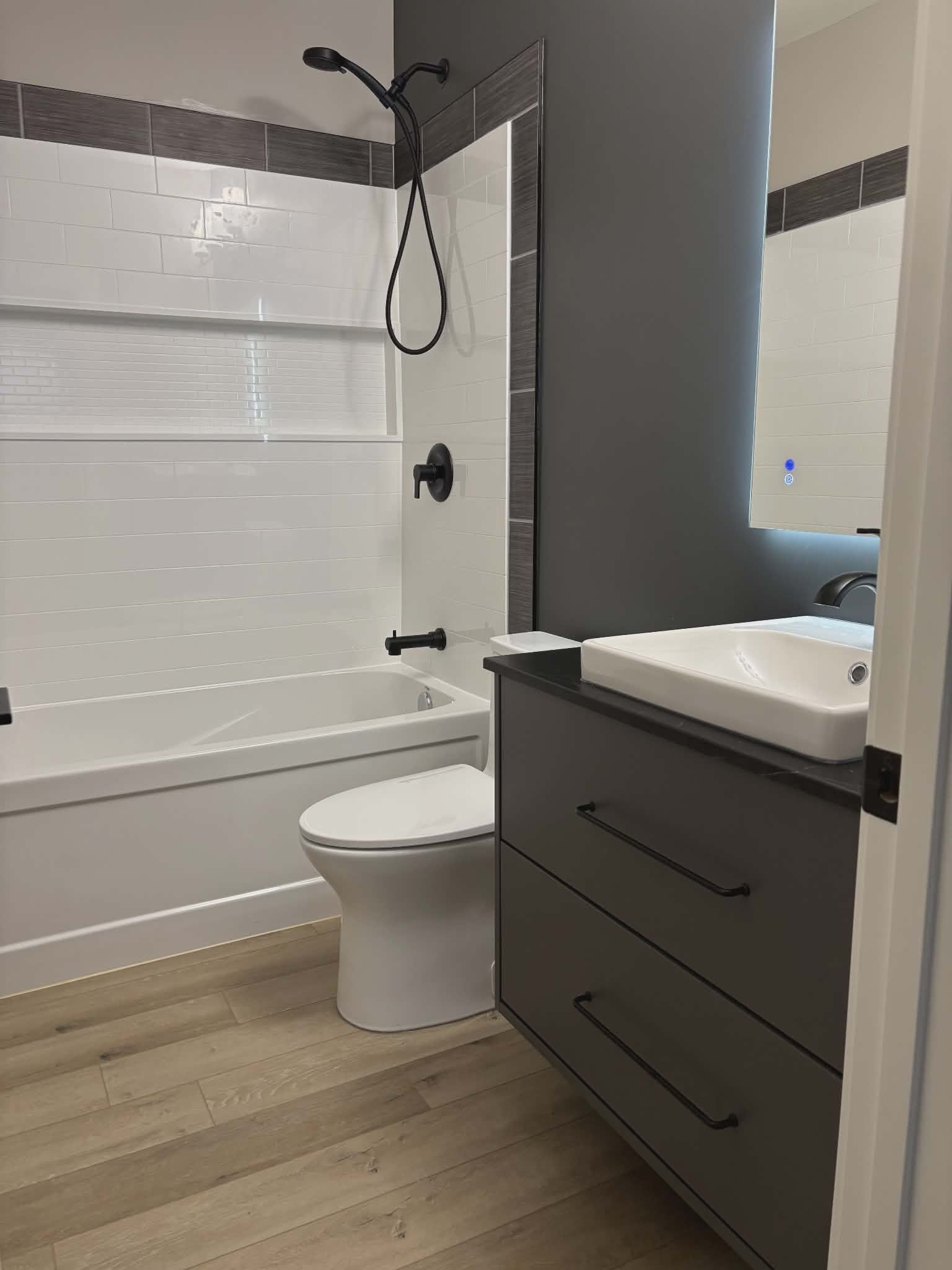
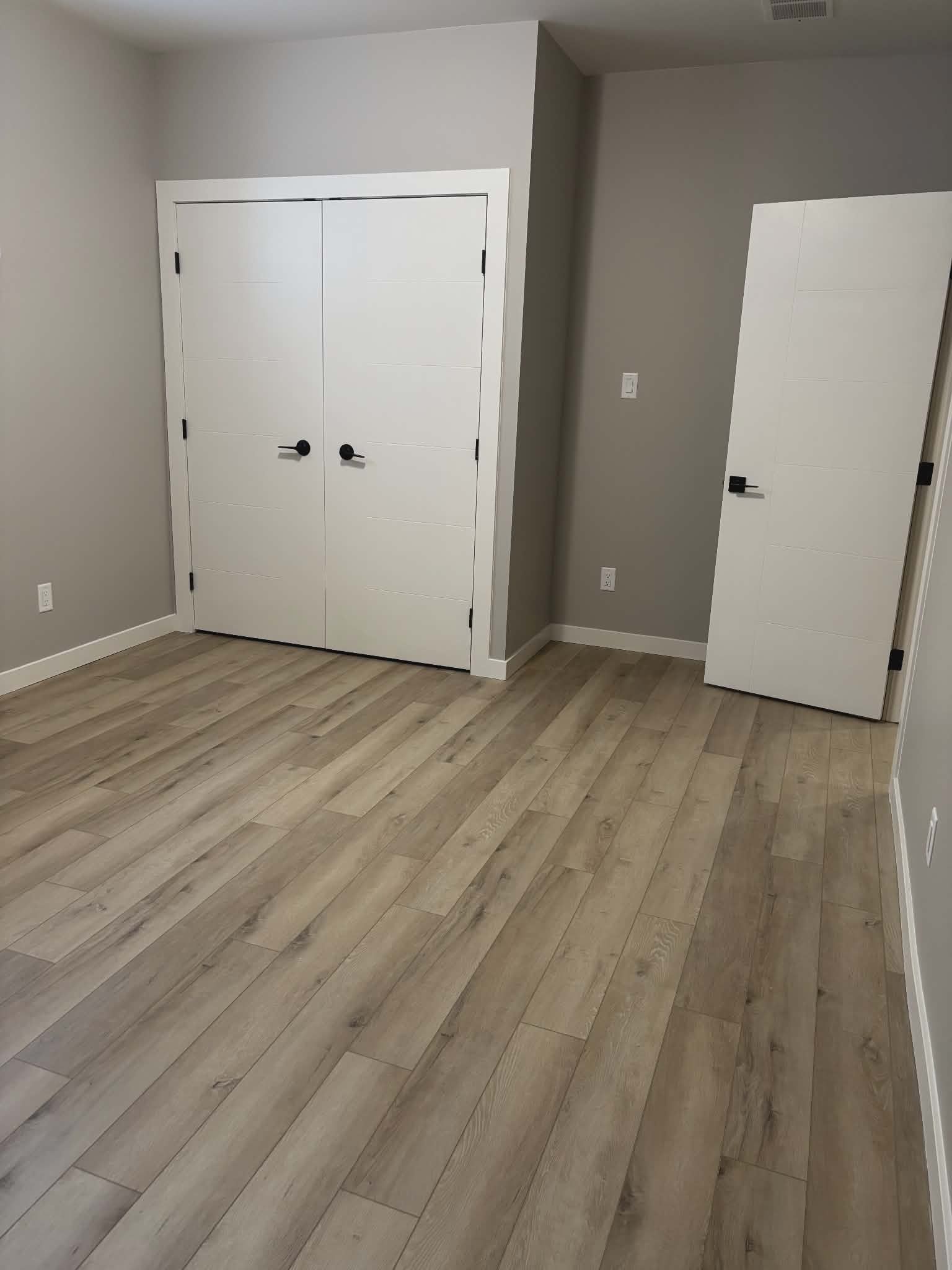
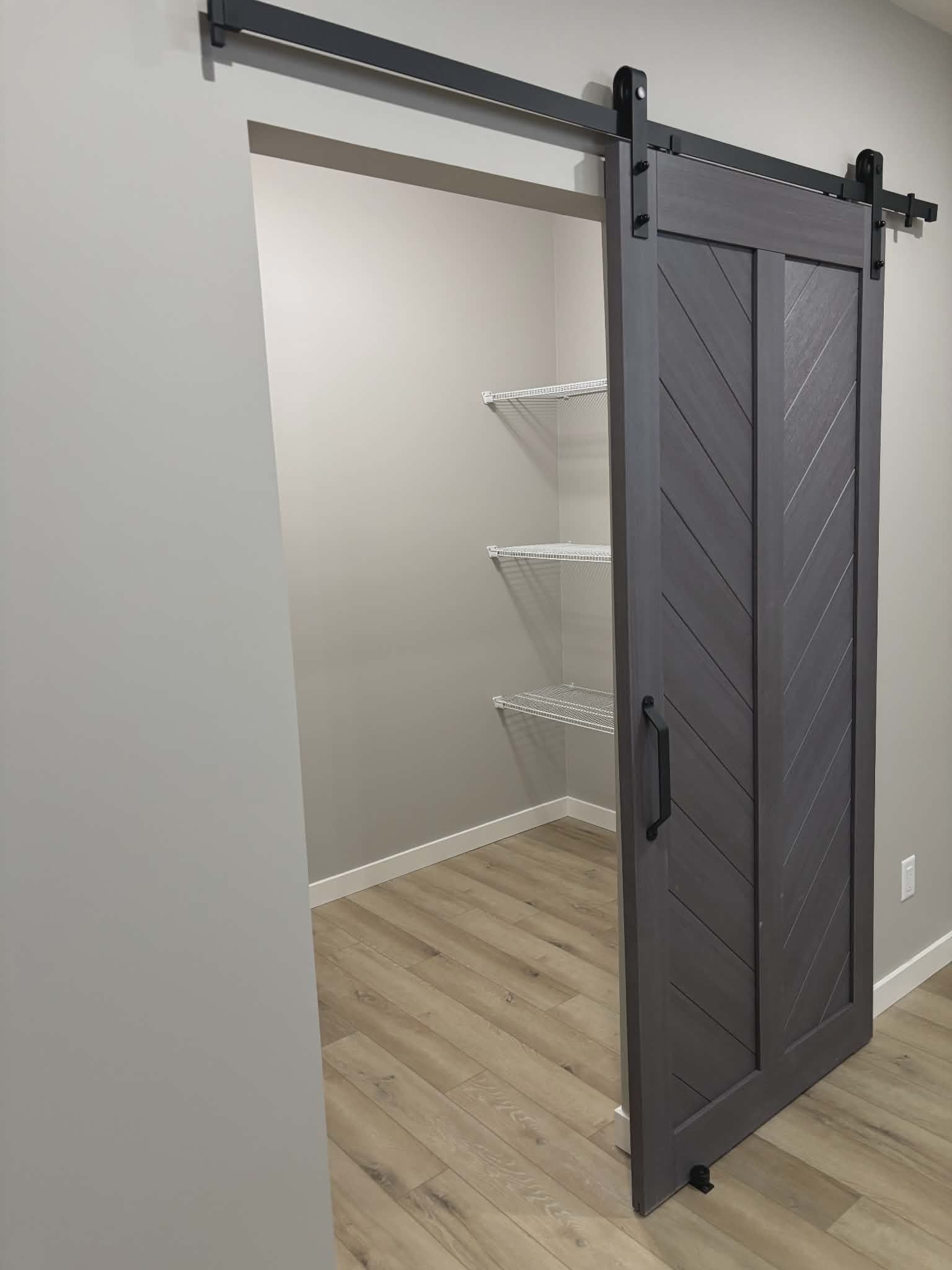
What This Project Says About How We Build Basements
Every basement development is different, but the way we approach the work stays consistent.
We focus on planning before pricing so expectations are clear from the beginning. We prioritize clear communication at every stage so you know what is happening and why. We stay present on site instead of passing the project between multiple crews.
When adjustments are needed, we handle them thoughtfully without turning the project into chaos. And throughout the process, we focus on quality work without cutting corners.
Thinking About a Basement Development in Edmonton?
If you are considering a basement development and want a process built around clear communication and steady progress, we are always happy to talk through your ideas and answer questions.
Every home is different, but the way we guide homeowners through the process stays consistent from start to finish.
Helpful Resource: our Edmonton basement development cost guide covers what a typical project runs, what moves the price, and what is often left out of a quote.

Need a Quote?
Reach out to our team today for a quote or to discuss your next project.
Or call us at:
Recent Posts